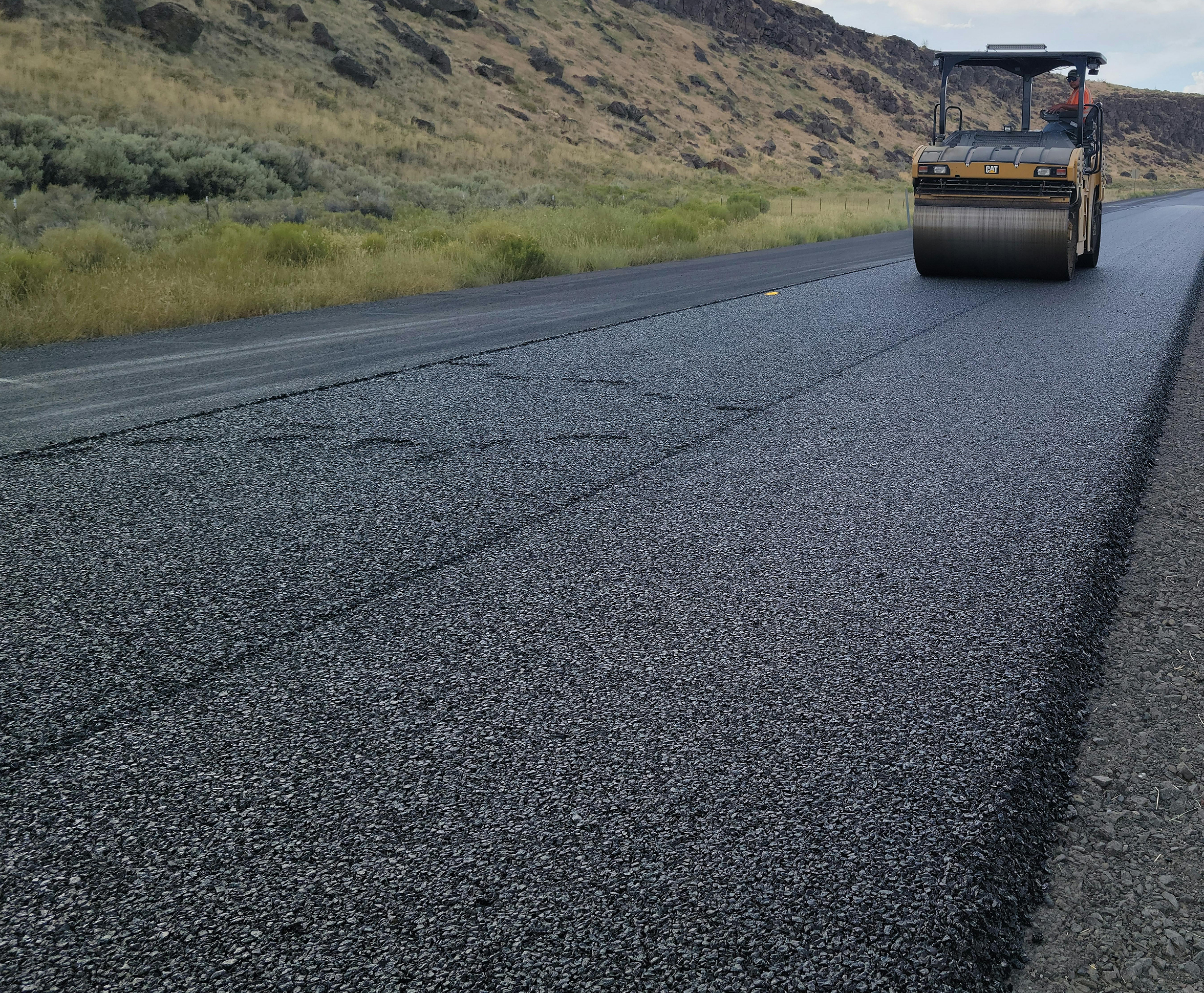
Road projects in Nepal fail for a small, repeatable set of reasons: a contractor undersized for the terrain, equipment rented rather than owned (and unavailable when it's actually needed), monsoon-season planning done as an afterthought, and licensing that doesn't match the project value. Here's what to actually check before signing.
1. Match the license class to the project value — not just the name
Nepal's Class 'A' / 'B' / 'C' / 'D' contractor system exists to stop this mismatch, but it's still worth verifying directly rather than taking a bid document at face value. A Class 'A' license has no upper value ceiling and requires demonstrated capital and equipment capacity — it's the tier required for national highway and expressway-scale work.
2. Ask what's owned versus rented
A contractor that owns its excavators, rollers, graders, tippers and an asphalt plant controls its own schedule. A contractor that rents equipment project-by-project is exposed to availability and price swings that become your problem the moment a roller doesn't show up during the paving window. Ask for the actual fleet inventory, not just a capability statement.
3. Check terrain-specific experience, not just total kilometres built
Terai flatland earthworks, Mid-Hill switchback alignments, and high-altitude roads above 3,000m are three different engineering problems — different drainage design, different slope stabilisation needs, different construction seasons. A contractor's portfolio should show work in terrain comparable to yours, not just a large total kilometre count concentrated in easier ground.
4. Look at the blacklisting and dispute record — across the full history
Nepal's public procurement system tracks blacklisted contractors. Check it directly rather than relying on a company's self-reported record, and look at the full project history, not just the most recent contracts.
5. Ask how materials are sourced
Contractors that run their own aggregate production, crushing plants and asphalt plants can hold quality and schedule far more consistently than those buying bulk materials from third parties mid-project, especially in remote districts where the nearest independent supplier may be hours away.
6. Get specific about monsoon planning
Nepal's construction calendar is shaped by the monsoon as much as by the contract schedule. A credible contractor should be able to describe, specifically, how drainage, slope protection and sequencing change during monsoon months on your alignment — not just confirm that "we account for weather."
Where Motidan fits
We're a Class 'A' contractor operating since 2009, with completed and ongoing work across 70+ districts of Nepal — Terai highways, Mid-Hill roads in Dailekh, Nuwakot and Parbat, high-altitude alignments toward Mustang, and expressway and tunnel work on the Kathmandu-Terai Fast Track. We self-perform earthworks, pavement and materials production with a 300+ machine fleet rather than subcontracting the parts of the job that determine schedule and quality.
See the equipment fleet we bring to a project, browse completed and ongoing road projects, or reach out to discuss a specific alignment.